
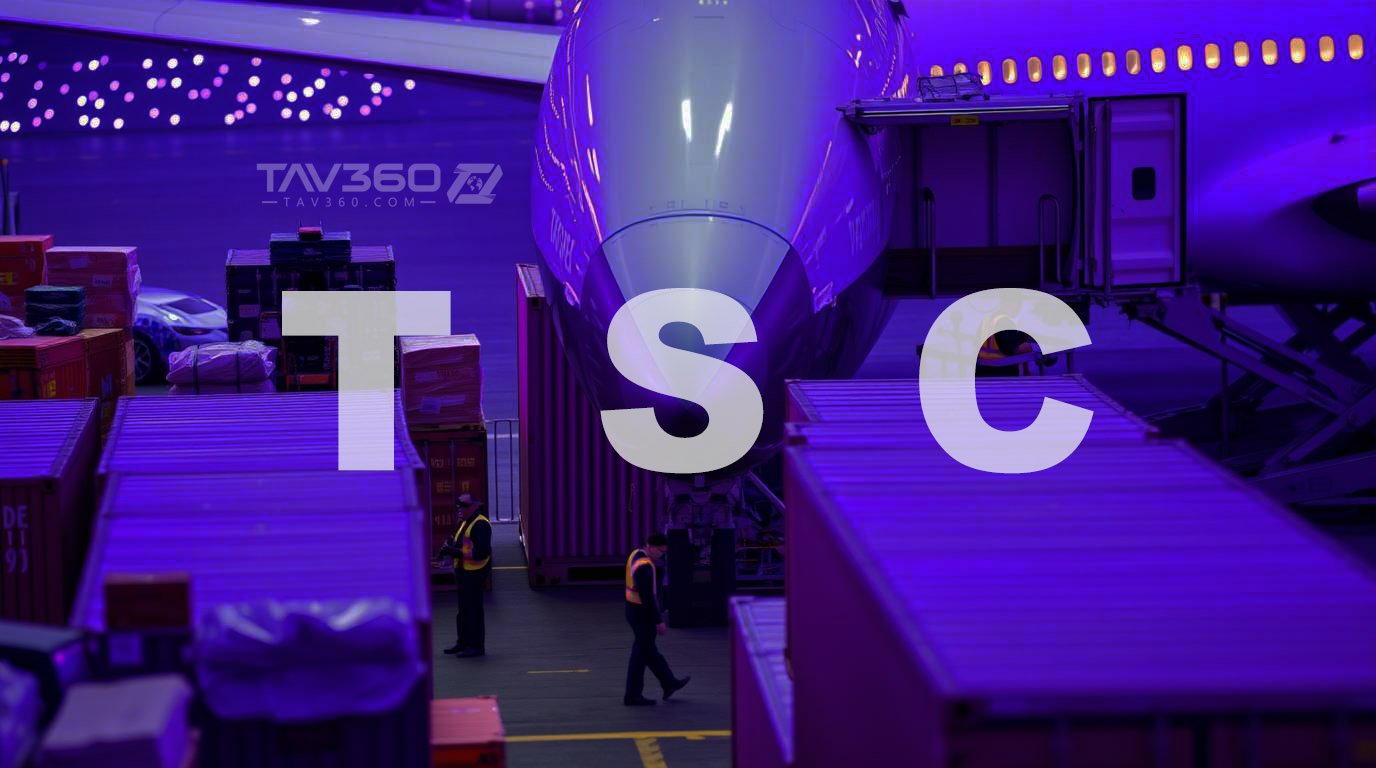
What is TSC in Iran Customs?
In the process of international trade, customs clearance is one of the most critical and complex stages, requiring strict compliance with customs laws and regulations. One of the key concepts in this process is TSC (Tariff Specification Code), which plays an essential role in determining customs tariffs and related costs.
In this article, we examine the concept of TSC, its importance in customs clearance, how it works, and the benefits of using it correctly.
Definition
TSC stands for Tariff Specification Code. It is a unique identifier used to classify goods and determine customs tariffs for imported and exported products. Every product that is imported or exported must be registered in the customs system under a specific tariff code so that customs duties, taxes, and other related charges can be accurately calculated.
The Role of TSC in Customs Clearance
The TSC code plays a decisive role in the customs clearance process. Its main functions include:
-
Determining customs duties and taxes:
The TSC code enables customs authorities to accurately calculate import duties, taxes, and applicable charges for each product. -
Facilitating product classification:
Using the correct TSC ensures accurate classification of goods and prevents errors in tariff determination. -
Controlling imports and exports:
Some goods require special permits or approvals. The TSC code indicates whether a product is subject to regulatory restrictions or requires authorization from supervisory authorities. -
Speeding up the clearance process:
Correct tariff classification reduces inspection time and helps goods clear customs without unnecessary delays. -
Ensuring transparency in customs calculations:
Standardized tariff codes increase financial transparency and help prevent disputes between traders and customs authorities.
How to Determine the TSC Code for Goods
TSC codes are determined based on the HS Code (Harmonized System), an internationally standardized system for describing and coding goods developed by the World Customs Organization (WCO).
The main steps to determine the correct tariff code include:
-
Identifying the technical specifications of the product:
Including material composition, type, application, and special characteristics. -
Referring to the customs tariff book:
Reviewing tariff tables to locate the appropriate code. -
Consulting customs experts:
In case of ambiguity, professional customs consultants can provide guidance.
Challenges Related to TSC in Customs Clearance
Despite its many advantages, the use of TSC also involves certain challenges:
-
Incorrect tariff classification:
Selecting the wrong code may result in overpayment, underpayment, or customs penalties. -
Changes in customs tariffs:
Tariff rates may change over time, making it essential to stay updated with the latest regulations. -
Need for expertise and experience:
Determining the correct TSC requires technical knowledge and practical experience, which can be challenging for new businesses.
Best Practices for Using TSC Effectively in Customs Clearance
To avoid issues and optimize the use of TSC, the following practices are recommended:
-
Using specialized customs software:
These tools can automatically suggest appropriate tariff codes. -
Working with reputable trading and customs clearance companies:
Utilizing the services of professional firms such as TAV360 Trading Group can simplify tariff classification and reduce risks. -
Training and knowledge development:
Increasing awareness of customs tariff systems helps minimize errors and optimize costs.
Conclusion
The TSC code is one of the most important tools in the customs clearance process, as it determines tariffs, taxes, and other customs-related costs. Correct use of this code not only streamlines customs clearance but also prevents financial and legal disputes.
Given the complexity of tariff classification, working with specialized customs clearance companies such as TAV360 Trading Group allows traders to clear their goods smoothly, confidently, and without unnecessary complications.
Comments (0)