
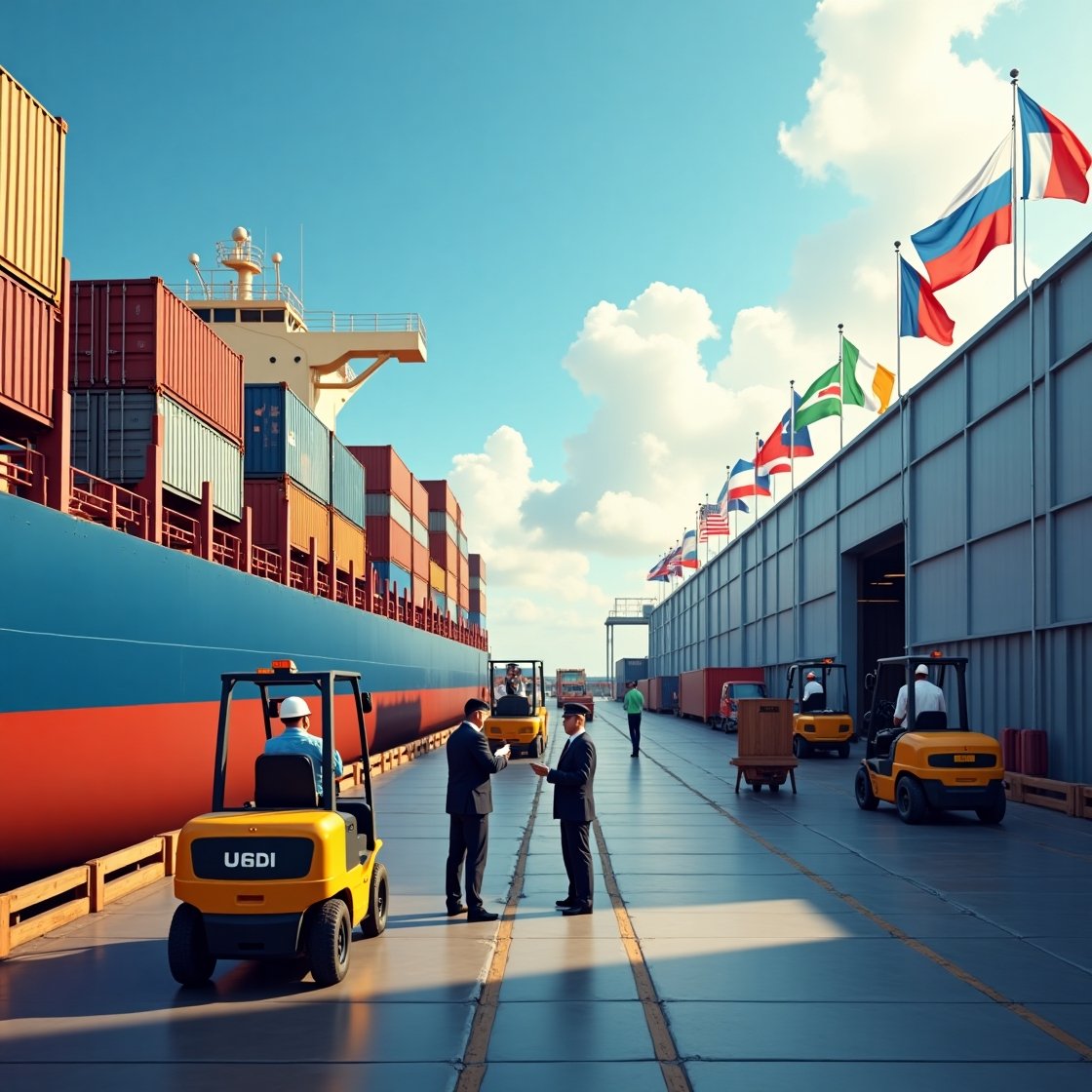
Free Zone
A Golden Opportunity for International Trade
Free trade zones, as major economic and commercial hubs, offer exceptional opportunities for traders and companies. With simplified customs regulations, tax exemptions, and advanced infrastructure, these zones have become one of the most effective options for importing and exporting goods. If you are looking for a smart way to grow your business, importing goods into free trade zones can be a highly strategic move. In this article, we take a comprehensive look at the order registration and import process into free trade zones, their key advantages, and essential tips for success.
Why Import Goods into Free Trade Zones?
Importing goods into free trade zones offers several advantages that make them highly attractive to traders:
-
Customs and tax exemptions: Goods imported into free trade zones are exempt from customs duties and value-added tax (VAT).
-
Faster customs clearance: Due to simplified regulations, clearance procedures are significantly quicker.
-
Access to international markets: The strategic location of free trade zones provides easy access to global markets.
-
Reduced transportation and warehousing costs: Advanced infrastructure helps lower logistics and storage expenses.
Steps for Order Registration and Importing Goods into Free Trade Zones
Importing goods into free trade zones is a multi-step process that requires careful planning and compliance with regulations. The main steps include:
Reviewing Regulations and Selecting the Product
Before taking any action, it is essential to review the regulations governing free trade zones and ensure that the selected goods are permitted for import. Some products may require special licenses or approvals.
Order Registration via Electronic Systems
Importers must register their orders through the electronic systems of free trade zones. These systems typically require details such as product type, quantity, price, country of origin, and destination.
Transportation of Goods to the Free Trade Zone
After order registration, the goods are transported from the country of origin to the free trade zone. Transportation methods may include sea, air, road, or rail, depending on factors such as cost, delivery time, and product type.
Customs Procedures and Clearance
Customs clearance in free trade zones is generally faster and more streamlined. Importers must submit required documents such as the commercial invoice, bill of lading, certificate of origin, and other relevant paperwork. After inspections and payment of applicable fees, the goods are cleared.
Storage and Distribution
Once cleared, goods can be stored in free trade zone warehouses or distributed to domestic and international markets. Thanks to modern warehousing facilities, free trade zones are an ideal option for storage and distribution operations.
Required Documents for Importing Goods into Free Trade Zones
To import goods into free trade zones, the following documents are typically required:
-
Commercial Invoice: Includes seller and buyer information and product details.
-
Bill of Lading: Issued by the transport company as proof of shipment.
-
Certificate of Origin: Indicates the country where the goods were produced.
-
Packing List: Provides detailed packaging information.
-
Required Licenses: Certain goods may require special permits from relevant authorities.
Key Tips for Successful Importing into Free Trade Zones
-
Choose the right product: Ensure the product is permitted and identify any required licenses in advance.
-
Work with professional trading companies: Partnering with experienced firms simplifies the entire import process.
-
Financial planning: Accurate cost calculation and solid financial planning are essential.
-
Understand free trade zone regulations: Familiarity with the rules helps prevent delays and complications.
Services Provided by Trading Companies for Free Trade Zone Imports
Trading companies such as Tejarat Afarinan Varzan and TAV360 Trading Group offer specialized services that streamline the import process into free trade zones, including:
-
Professional consulting: Guidance on product selection and transportation methods.
-
Customs clearance services: Efficient handling of customs procedures.
-
International logistics: Coordination of transportation from origin to the free trade zone.
-
Warehousing and distribution: Secure storage and distribution services within free trade zones.
If you are planning to import goods into free trade zones, you can contact Tejarat Afarinan Varzan and TAV360 Trading Group for professional support throughout the process. For more information on customs clearance, importing, and sourcing, you may also visit the relevant link.
Conclusion
Importing goods into free trade zones is a unique opportunity for traders and companies to reduce costs and increase operational speed. With proper planning and adherence to key principles, you can fully benefit from the advantages these zones offer and expand your business effectively.
If you are considering importing goods into free trade zones, consulting experienced professionals is strongly recommended. Tejarat Afarinan Varzan and TAV360 Trading Group, with years of expertise in import and customs clearance, are ready to provide specialized services.
Comments (0)